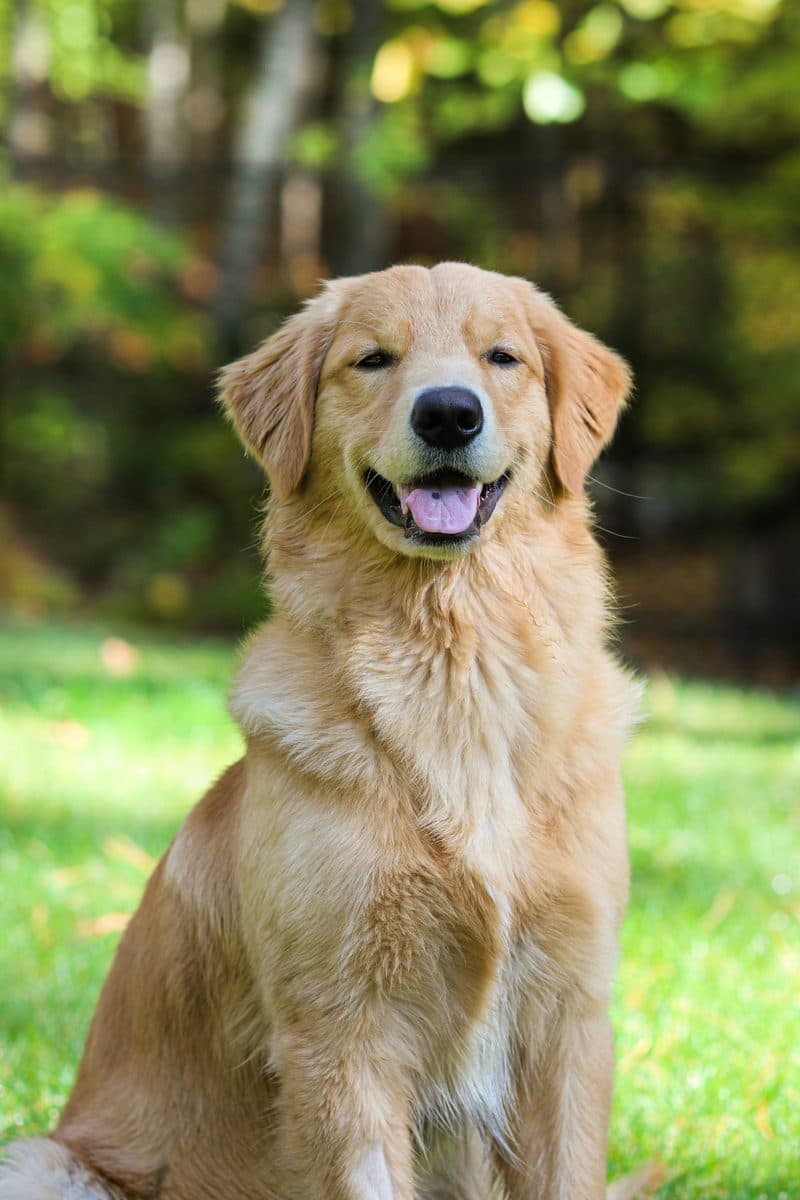
A versatile German bird dog with endless energy and a big heart. Affectionate and quick to learn, but a GSP without daily running and a job will find its own.
At a glance
Lifespan
10–12 years
Adult weight
45–70 lbs
AffectionateEagerEnthusiastic
Living with one
Energy level5/5
Grooming needs2/5
Trainability5/5
Good with kids5/5
Health tests to ask for
A responsible German Shorthaired Pointer breeder should be able to show results for both parents. If they can't, walk away.
Living with a German Shorthaired Pointer
German hunters developed the German Shorthaired Pointer in the 1800s as a do-it-all bird dog: it finds birds, points them and brings them back, on land or in water. GSPs are still among the top dogs in hunting competitions. At home they are affectionate, eager to please and very attached to their people.
They also have huge energy and a strong prey drive. The AKC suggests real exercise twice a day, like a brisk half-hour walk morning and evening plus running in a fenced area. The short coat is easy to care for but sheds, and the hairs stick in fabric. Expect a challenging stretch between about 6 months and 3 years old.
Is a German Shorthaired Pointer right for you?
A good fit for
Runners, hikers and hunters who want a dog to come along
Active families with a securely fenced yard
People interested in field events, agility or dock diving
Think twice if
You want a calm dog that is happy with one short walk a day
You have cats, rabbits or chickens. Prey drive is strong
We’re verifying our first German Shorthaired Pointer breeders now, one by one. Join the list and we’ll email you the day families can start browsing, with the breeders near you.
OFA Hips
OFA Elbows
OFA Cardiac
OFA Eyes (CAER)
Cone degeneration (CD)
The German Shorthaired Pointer health tests, explained
Ask for these results on both parents, not just one. Most can be looked up by the dog’s registered name in the public OFA database, so you don’t have to take anyone’s word for it. Here’s how to look them up.
OFA Hips
X-rays of the hips, graded by the Orthopedic Foundation for Animals (OFA). Final ratings need the dog to be at least 2 years old. Excellent, Good and Fair are passing grades.
OFA Elbows
X-rays of the elbows, read by the OFA. "Normal" is the result you want for both parents.
OFA Cardiac
A heart exam that listens for murmurs and other signs of inherited heart disease. An exam by a vet cardiologist is the stronger version.
OFA Eyes (CAER)
An eye exam by a board-certified veterinary eye specialist. It is only current for about a year, so ask for a recent one.
Cone degeneration (CD)
A DNA test for an inherited condition that leaves dogs unable to see well in bright light (day blindness). It only affects puppies that get the gene from both parents, so at least one parent should test clear.
Red flags in a German Shorthaired Pointer breeder
No hip, elbow, heart and eye results for the parents
No cone degeneration DNA result
Parents that are frantic or shy rather than friendly and confident
A breeder who says GSPs are “easy” or don’t need much exercise
Questions to ask a German Shorthaired Pointer breeder
Are the parents from hunting, show or family lines, and what do they do day to day?
Can I see hip, elbow, heart and eye results, and the cone degeneration DNA result, for both parents?
How much exercise do the parents get?
Do your puppies go to hunting homes, family homes or both?
German Shorthaired Pointer questions families ask
Are German Shorthaired Pointers good family dogs?
For active families, yes. The AKC rates them highly with young children, and they are affectionate and loyal. They are also big and bouncy, and need daily exercise to be calm in the house.
How much exercise does a German Shorthaired Pointer need?
A lot. The AKC suggests exercise twice a day, such as brisk half-hour walks morning and evening plus running or swimming. Without it, many become destructive.
Do German Shorthaired Pointers shed?
Yes, a moderate amount, more at certain times of year. The coat is short and easy to brush, but the hairs work into fabric and carpet. A brush or grooming glove every few days helps.
How big do German Shorthaired Pointers get?
The AKC lists males at 23 to 25 inches and 55 to 70 pounds, and females at 21 to 23 inches and 45 to 60 pounds.
How long do German Shorthaired Pointers live?
The AKC lists a life expectancy of 10 to 12 years. Like other deep-chested breeds, they can get bloat, a life-threatening stomach emergency, so learn the signs.
Are GSPs good with cats?
Some are, especially when raised with them, but GSPs were bred to hunt and many will chase small animals. Ask the breeder how the parents behave with cats.